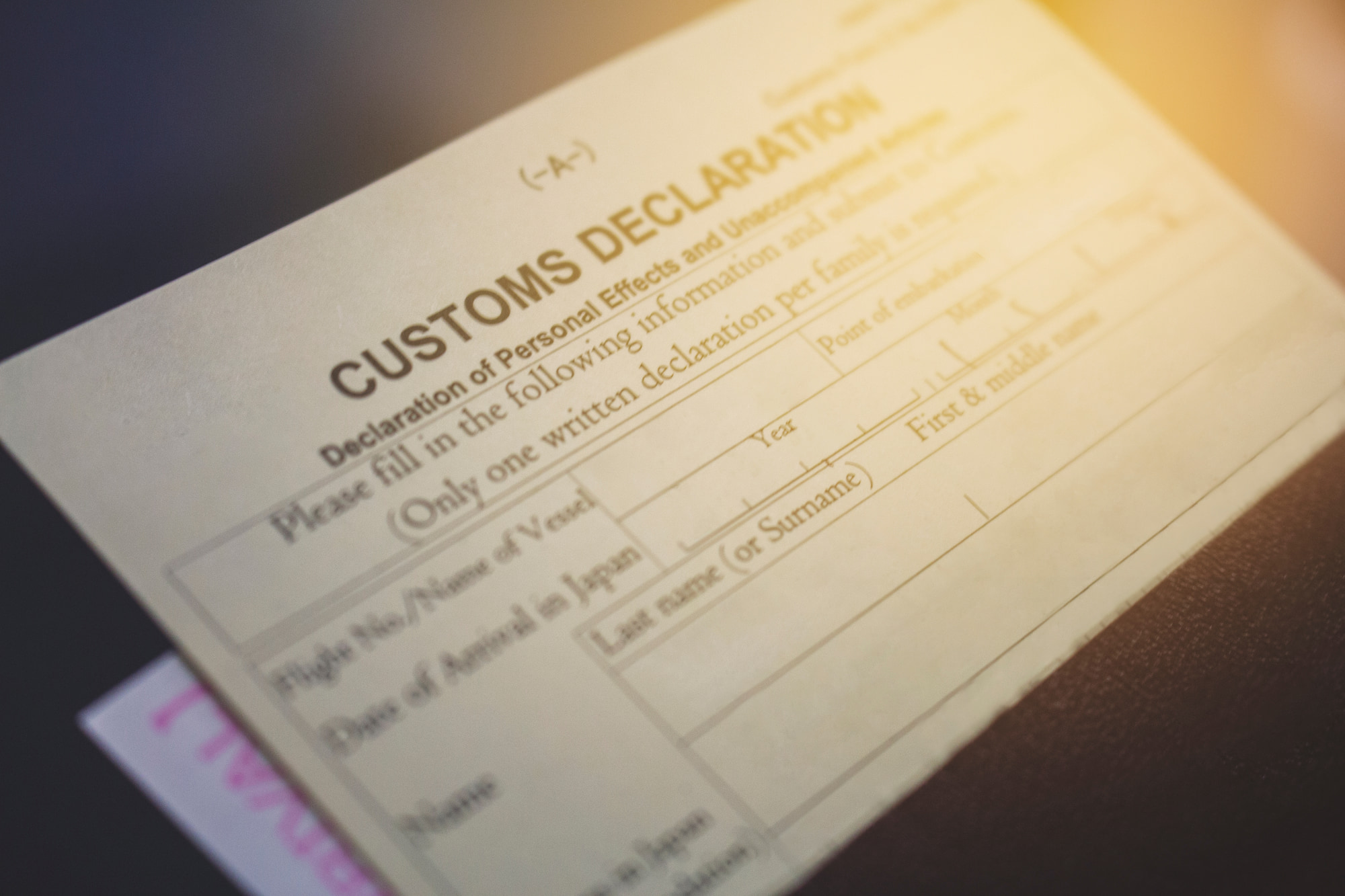
Due to the number of steps in the process, there can be many mistakes made in customs clearance. Customs clearance is the regulatory process of declaring goods to government authorities for entry and exit from a country. In the US, importers must declare goods and ensure compliance with the CBP (Customs and Border Protection). The reason for the necessary reporting to the government is to safeguard the country against the importation of dangerous goods. There are many parts, including paperwork inspection, duty calculation, payment collection, and more. A small mistake can lead to disruptions that could put your cargo on hold.
What Are Some Common Mistakes Made In Customs Clearance?
Although shippers can make numerous mistakes when importing, a common one is documentation. There are numerous documents an importer should be aware of, including the bill of lading, commercial invoice, packing list, and more. Not presenting any of them or having the incorrect information can result in holds and fines. Another common mistake is not having the correct Harmonized Tariff Schedule (HTS) code. HTS codes are used to determine the duty rates for U.S. imports. Shippers must also ensure they obtain approvals from agencies such as the FDA and the EPA, if necessary. Other mistakes include misdeclaring the product value, failing to secure a customs bond, and failing to label imports correctly.
How Can You Avoid These Mistakes?
Shippers must take proactive action to avoid the common mistakes that can disrupt their shipments. When classifying imports, the importer must thoroughly research their HS code or use classification software. Similarly, the importer must research the correct documentation, which can vary depending on the import. They must also check if their goods fall under other government agencies. For example, food and drug imports must have additional approval from the Food and Drug Administration (FDA). Shippers should clearly display the country of origin on their shipments to avoid audits or seizures. Finally, they must correctly declare their product with the exact transaction value.
While mistakes in customs clearance can disrupt the shipping process, shippers can prepare in advance. In addition to the tips mentioned in the article, another way to prevent mistakes is to consult a customs broker. Brokers are licensed individuals or corporations that arrange customs clearance for imports on behalf of the importer. In the US, they ensure compliance with CBP (Customs and Border Protection) regulations. They do this by offering services such as providing paperwork, calculating duties, filing entries, and more. Brokers also provide consultation to help the importer avoid costly mistakes. Contact Customs Made Easy at 305-821-8995 or info@customsmadeeasy.com to speak with a broker about a successful customs clearance.