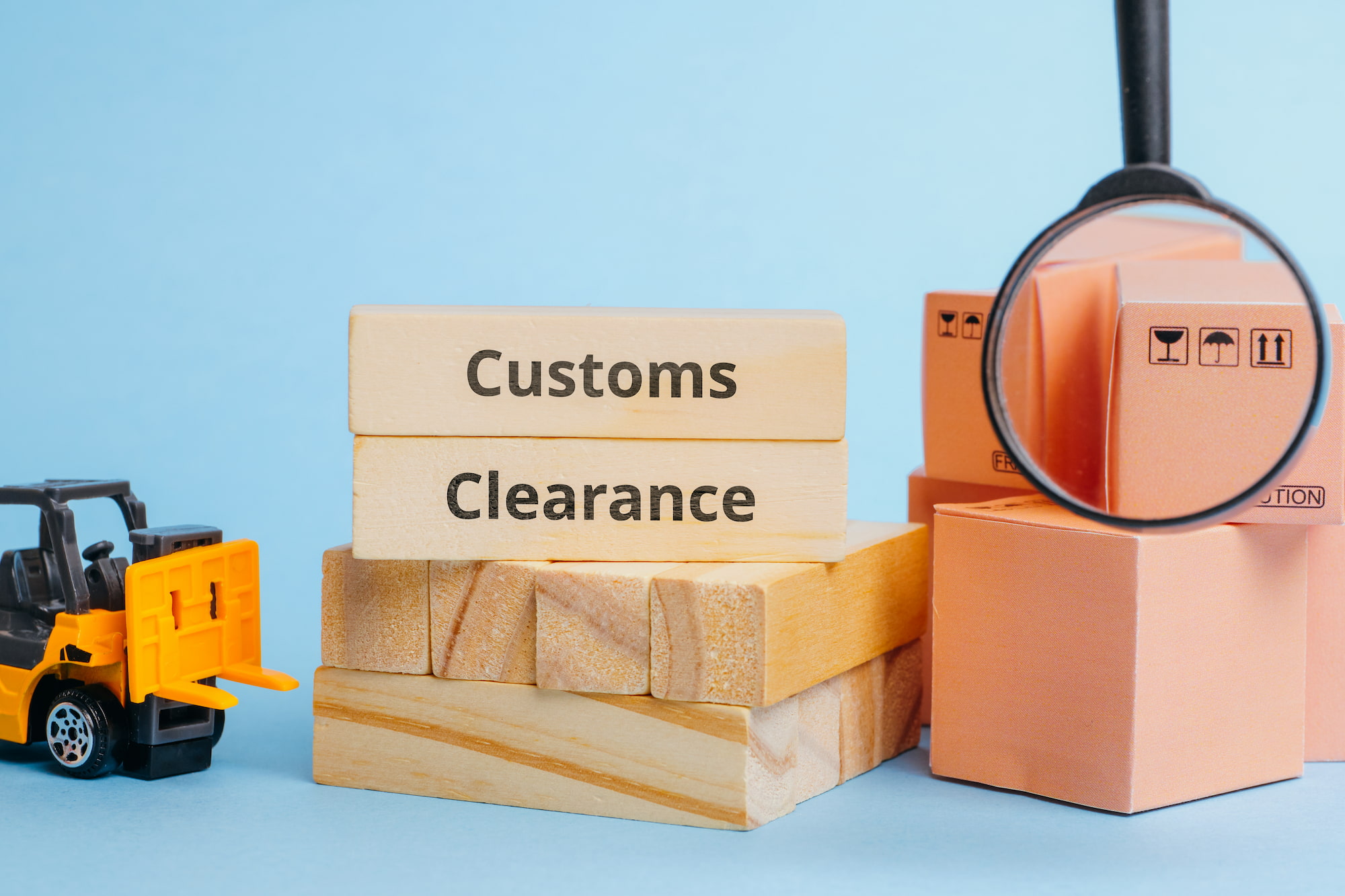
How long does customs clearance take is an important question to ask when importing into the US. Individual shippers and businesses must both consider it when shipping. In the US, cargo must pass through CBP (Customs and Border Protection) before it can be cleared. Because of the level of scrutiny, many factors may affect the time frame for clearing goods through customs. On average, it can take from one day to several days, but it can stretch to over a week. Errors, including missing or incorrect documentation, may extend the process further. This article explains what can affect the timeline and offers tips for speeding up the clearance process.
What Should You Consider When Figuring Out How Long Does Customs Clearance Take?
A major factor in determining how long customs clearance takes is the quality of your documentation. If any necessary paperwork is missing or filed incorrectly, it can result in additional holds. An incorrect Harmonized Tariff Schedule (HTS) classification and duty assessment could further increase holds. Shipments that need additional inspections, permits, or government agency approvals can also take longer. For example, regulated items like food and medicines may need extra approval before clearing customs. The mode of transport also affects timing, with air shipments typically cleared faster than ocean shipments, especially for shared containers. Importing from countries with different trade agreements, paperwork, and high-risk profiles can also affect clearance time.
How Can You Speed the Process?
Given how long the clearance process can take, knowing how to speed it up is equally important. Having the paperwork done before the goods reach the border can streamline the process. This also allows more time to correct errors, which can prevent delays. Importers should submit the Importer Security Filing (ISF) at least 24 hours in advance. Researching the cargo and its requirements helps you understand essential information like the HTS code and which agencies require additional information. Transmitting documentation electronically via the Automated Commercial Environment (ACE) portal allows automated risk screening and error correction.
Whether you are an individual shipper or a business, speed is critical when importing cargo into the US. Failing to import goods promptly can lead to delays that disrupt supply chains. Another way to speed up the process is to speak to a customs broker like Customs Made Easy. Customs brokers coordinate cargo release by ensuring it complies with laws and regulations. In the US, they ensure compliance with the CBP by offering a range of solutions for shippers. These include calculating duties, preparing documentation, filing ISF’S, and more. Speak to our brokers at 305-506-1348 or info@customsmadeeasy.com to ensure a quick, successful customs clearance.


